Freedom is...

Freedom is pen to paper,
Freedom is fingers to keyboard,
Freedom is pages in a book,
Freedom is words on a screen,
Freedom is the thoughts in my head,
But are they free if they can't be seen?
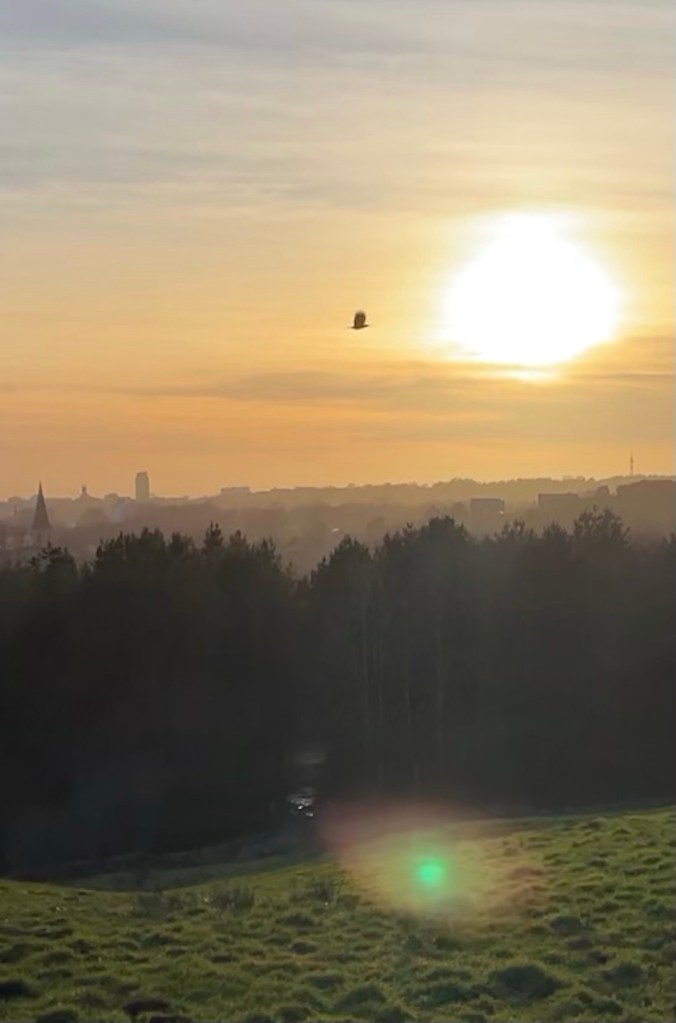
To be free
The last week has been dominated by news coverage of the tragic death of Sarah Everand and the subsequent heavy handed treatment of women who attended a vigil in her honour.
There has been a lot of discussion online about women’s safety on the streets and public spaces. Women have been posting on social media, stories about times they felt unsafe around a man or men. Some of the stories are shocking but many are everyday tales that most women and young girls will have experienced.
This whole situation has lead to much reflection and ponderance from Ispy. A lot of introspective cognitive dialogue to explore the concept of freedom and what it means to Ispy. The result is multifaceted.
The realisation that freedom is a human construct which is individually subjective. Yes, there is a universally accepted definition of the word in the english language. But for each and every one of us our freedom will mean something completely different and unique to us and our situation.
When reflecting in freedom Ispy’s initial thoughts jump to those who have been held in captivity. Famously so in most cases; such as Nelson Mandela, Nazanin Zaghari-Ratcliffe, Terry Waite, John McCarthy, …
Refugees may celebrate freedom from the war torn or oppressive territory that they flee, but they are not truly free.The Dalai Lama himself has lived in exile for over 60 years. He is himself a refugee and is not free to return to his birth home – though he is free to travel the world and express his thoughts and teachings.
Then there are those trapped by disease or degenerative health conditions. Things like dementia, parkinson’s disease, Motor Neuron disease. People trapped in their bodies or minds. What might freedom mean to them? Billy Connolly famously has Parkinson’s disease and is increasingly becoming less functionally able. Yet since retiring from comedy in 2018 has continued to express himself through his Art. Stephen Hawking, physically locked into his mind by disease but conversely free to express his theories and humour through the use of assistive technology until his death.
But for each of these familiar names, there are thousands who endure captivity of one form or another. Millions held in captivity, oppression, repression. Captivity, oppression, repression … three more words that hold personal connotation.
Ispy enjoys relative freedom. Freedom from an oppressive relationship, freedom from a dysfunctional past, freedom from debt, freedom from disease, freedom from anxiety (sometimes) and freedom of mind. Ispy can move freely within the constraints of the current lockdown laws, Ispy can have freedom of speech as long as it doesn’t offend, Ispy has freedom of dress, freedom to eat and drink what she likes. Though with freedom comes consequence. Free will does not come without risk and in many ways it is the acceptance of risk which allows the very freedom that Ispy values.
Taking an evening walk as the sun sets is freedom to Ispy. Walking home from a friends house late in the evening is freedom to Ispy. Dressing provocatively is freedom to Ispy. Yet all of these things and many more hold their own inherent risks. In order to enjoy the freedom she does, Ispy also accepts the risks that she takes. And that is her free will to do so.
Accepting the risk for herself however does not condone the risks that women and girls take every day of their lives just to get through. Risk is relative and the risks Ispy takes are relatively low on return for the freedom she enjoys. This isn’t the same for all women and girls.
It is the free will of Ispy to demonstrate any protest about the risks women take, about the oppression and repression women experience worldwide in so many forms. It is Ispy’s free will, but will she be ‘free’ to protest without taking the risk of the potential consequences?
To be continued…
 IspyDystopia